




Key Takeaways
Introducing Vitamin A well is a matter of pace, not product. Begin with a considered, staged protocol rather than a race to nightly use, rotate your other actives around it while tolerance builds, and follow a different pace depending on whether your skin starts out sensitive or more resilient.
Almost every disappointing first experience with Vitamin A shares the same origin story. Someone tries retinol for the first time, applies it nightly from day one because that is what the packaging implies, and within a week their skin is flaking, tight, and reactive. They stop. Months, sometimes years, pass before they try again – if they try again at all.
The ingredient was rarely the problem. The pace was.
Most blanket advice or guidance distils the introduction of Vitamin A into a single line: start two or three times a week and build up from there. It is not wrong, but it is not a thoughtful guide either, particularly for something your skin will be adjusting to for weeks. What follows is a more thought-out, staged approach to introducing retinol into your skincare ritual. It’s one that accounts for what else you are already using, and for the meaningful difference between skin that reacts easily and skin that rarely does.


What Happens When You Introduce Vitamin A? Understanding the Adjustment Period
Vitamin A, whether in the form of retinol, retinal, or a botanical alternative like bakuchiol, works by encouraging skin cells to turn over more quickly than they otherwise would. That accelerated renewal is precisely why the ingredient is so well studied for texture, tone, and the visible signs of ageing. It is also why the first few weeks can feel different to what you are used to.
As turnover speeds up, skin that has not encountered Vitamin A before often experiences mild dryness, flaking, or heightened sensitivity while it adjusts—a phase sometimes called retinisation. This is an expected adjustment, not a sign that something is wrong, provided the introduction is gradual and well supported. A landmark tolerance study comparing retinol, retinal, and prescription-strength retinoic acid found meaningful differences in how comfortably each form is tolerated during this period (Fluhr et al., Dermatology, 1999). Which is exactly why the pace and the formulation you begin with matter as much as the ingredient itself.
If you are also weighing up which form of Vitamin A is right for you, our full comparison of retinol and retinal covers the science in depth, and the RATIONALE ingredient glossary is a useful reference for how each active is defined. This guide takes a different starting point: not which molecule to choose, but how to introduce whichever one you choose without unsettling your skin.


Are You Starting From Sensitive or Resilient Skin?
Before any schedule is useful, it helps to know which of two starting points best describes your skin as the right pace genuinely differs between them.
Sensitive skin reacts easily to new actives: it tends toward redness, tightness, or reactivity when something unfamiliar is introduced, and its barrier can feel compromised more often than not. Resilient skin rarely reacts this way: it has generally tolerated new actives comfortably in the past, and shows few, if any, signs of reactivity to typical skincare formulations. Most people sit clearly toward one end or the other, though skin can shift over time; a barrier that was resilient in your twenties may become more reactive later, and the reverse is also true.
This is not a judgment of your skin, and it is not fixed. It is simply the starting point that determines how quickly you can move through the protocol below. Sensitive skin benefits from a longer runway and a gentler entry formulation; resilient skin can move through the same stages more quickly. Neither path is lesser—and they arrive at the same place.
The Beginner's Vitamin A Protocol: A Week-by-Week Introduction Schedule
How often should you use retinol as a beginner? Most people should begin with one or two evenings a week, increasing gradually over five to eight weeks as tolerance builds, rather than starting nightly, which is the most common cause of early irritation.
With your starting point in mind, here is a measured approach for introducing Vitamin A—staged in three phases rather than left to guesswork.
Weeks 1–2: Acclimation. Apply your chosen formulation once or twice in the first week, in the evening, on completely dry skin. If your skin is sensitive, begin with a botanical retinoid alternative rather than retinol or retinal itself as it introduces your skin to the idea of an active without the adjustment period a true retinoid can bring. If your skin is resilient, you can begin with a true retinol or retinal formulation at this same frequency.
Weeks 3–4: Building. Assuming there’s no persistent redness or tightness, increase to three applications a week, still spaced with recovery nights in between (more on this below).
Weeks 5–6 and beyond: Consolidating. Move toward every-other-night use, and eventually nightly, once your skin has shown it tolerates the current frequency comfortably for at least two consecutive weeks.
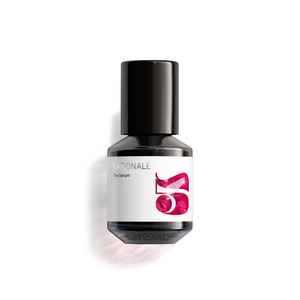
For the sensitive-skin entry point, #6 The Rejuvenating GelCrème is formulated around a Botanical Retinoid Alternative Complex built on Bakuchiol and represents a way to begin without the adjustment period a traditional retinoid can require. A randomised, double-blind clinical comparison found Bakuchiol delivered improvements to photoageing comparable to retinol, without the irritation typically associated with it (Dhaliwal et al., British Journal of Dermatology, 2019). In RATIONALE's own 28-day trial of 18 participants, 100% noticed increased radiance and brightness, 94% observed enhanced firmness and hydration, and 89% reported a calmer, more even complexion.
If botanical alternatives and true retinoids sound unfamiliar territory, our guide to Vitamin A and botanical alternatives explores the full range in more depth.


Using a Steady Cycle to Rotate Vitamin A With Your Other Actives
A skincare routine that only tells you when to apply Vitamin A is incomplete. The other nights in your week matter just as much, and this is where most untailored guidance often stops short.
A simple rotation method is an easy way to begin your acclimation period: one evening for refining actives (such as those found in #5 The Refining Collection), one evening for Vitamin A, and two recovery evenings with nothing but hydration and barrier support in between. Applied to Vitamin A specifically, it gives your skin structured recovery time exactly when it needs it most, rather than leaving you to guess which nights are safe to layer more onto.
A few sequencing principles make this easier. Niacinamide is well tolerated alongside Vitamin A and can be used simultaneously without issue. For a RATIONALE Ritual, these are applied at opposite ends of the day (niacinamide in the morning, with Vitamin A reserved for evenings) for even greater tolerability. Refining acids, such as those found in your alpha and beta hydroxy formulations, are best kept to their own dedicated evening rather than combined with Vitamin A on the same night, since both actives accelerate turnover and layering them too early can outpace what your barrier is ready for. Vitamin C, meanwhile, belongs in your morning ritual rather than alongside Vitamin A at night; the two are simply better suited to different times of day. As your tolerance builds over the weeks in the protocol above, the recovery evenings gradually shrink until Vitamin A no longer needs a rotation at all.
Progressing Your Ritual: From Rotation to Nightly Use
Readiness to progress is a signal from your skin, not a date on a calendar. Two consecutive weeks without redness, tightness, or flaking at your current frequency is a more reliable cue to move forward than any fixed timeline.
As frequency builds toward nightly use, this is the natural point to move toward a more robust Vitamin A formulation. #6 The Rejuvenating Night Crème combines both retinol and retinal in a single Vitamin A Complex, and is the typical next step once your skin has shown it is ready, whether you began on the botanical pathway above or started here directly. In a 28-day trial of 20 participants, 95% observed increased firmness, 100% reported improved hydration, and 100% saw enhanced radiance. Independent research following naturally aged skin over twenty-four weeks of consistent retinol use recorded visible improvement in fine lines by the later stages (Kafi et al., Archives of Dermatology, 2007), with further evidence pointing to renewed elastin fibre formation as one mechanism behind that visible change (Rossetti et al., Journal of Cosmetic Dermatology, 2011).
One more consideration matters during this entire period: Vitamin A increases how reactive your skin is to UV light, which makes diligent morning protection more important than usual, not less. #3 The Brilliance Tinted Serum SPF50+ is worth having in your morning ritual for exactly this reason.


If Your Skin Reacts: A Thoughtful Response, Not a Reason to Stop
If redness, tightness, or flaking appears partway through this protocol, it is worth pausing rather than pushing on, and it is not necessarily a sign to abandon Vitamin A altogether.
The most common mistake is progressing a stage too soon. If your skin reacts, step back to the previous frequency and stay there for an extra week before trying again. Extending your recovery evenings, reand easing off any refining acids for a week are usually enough to settle things down. If a formulation continues to feel uncomfortable even at a low frequency, moving to a gentler entry point, such as #6 The Rejuvenating GelCrème, rather than stopping altogether tends to be the better path.
Most people who describe themselves as unable to tolerate retinol most often simply progressed faster than their skin was ready for the first time they tried it. A slower second attempt, with proper recovery built in, changes that outcome far more often than switching formulations does.
Begin Your Vitamin A Ritual
The right introduction to Vitamin A is not the fastest one — it is the one your skin can comfortably sustain, week after week, until nightly use feels second nature rather than a remarkable achievement. Because the right starting formulation and pace depend on your own skin's history, the RATIONALE Skin Questionnaire is a great way to have that introduction personalised before you begin. Once your ritual is established, our full comparison of retinol and retinal is the natural next read for choosing where to go from here.
Frequently Asked Questions
Most people move through the full stages of introduction – from occasional use to nightly – over five to eight weeks, though sensitive skin may reasonably take longer. The pace should be set by how your skin responds at each stage, not by the calendar.
No. Beginning with nightly use is the most common reason first attempts with Vitamin A go badly. Start with one or two evenings a week and increase only once your skin has shown it tolerates the current frequency comfortably.
There is nothing specific to apply beforehand, but ensuring your barrier is well hydrated and comfortable in the weeks before you begin makes the adjustment period considerably easier. Skin that is already dry or reactive benefits from a period of simple, barrier-focused care first.
While you are still building tolerance, it is best to keep them on separate evenings. In these early stages, layering two actives that both accelerate turnover can outpace what your skin's barrier is ready for, making a rotation, rather than combination, a steadier approach.
Some people notice a temporary increase in congestion in the first few weeks of introducing Vitamin A, as skin cell turnover accelerates and brings existing congestion to the surface sooner than it otherwise would. This typically settles within two to four weeks and is different from ongoing irritation, which is a sign to slow your pace rather than wait it out.
Yes. Niacinamide is generally well tolerated alongside Vitamin A. At RATIONALE, an individual ritual layers these at opposite ends of the day (niacinamide, in the morning, and Vitamin A reserved for evenings). Even without this approach, it is one of the more forgiving pairings during the introduction period described above.
There is no fixed age as readiness depends more on your skin's tolerance and goals than the number of candles on your last birthday. Many people begin in their late twenties or thirties as early signs of ageing appear, while others introduce it later; the staged approach above applies at any starting age.
Written by Eleni Papadopoulos
Eleni is a skincare writer with a background in the beauty and skincare industry, having spent several years working alongside dermal therapists and formulation teams. Her experience has shaped a practical understanding of skin behaviour, ingredients, and treatment pathways. Eleni focuses on translating complex skincare concepts into clear, considered guidance, with an emphasis on efficacy, routine building, and long-term skin health.
References
- Fluhr JW, Vienne MP, Lauze C, Dupuy P, Gehring W, Gloor M. "Tolerance profile of retinol, retinaldehyde and retinoic acid under maximized and long-term clinical conditions." Dermatology. 1999;199(Suppl 1):57-60.
- Dhaliwal S, Rybak I, Ellis SR, et al. "Prospective, randomized, double-blind assessment of topical bakuchiol and retinol for facial photoageing." British Journal of Dermatology. 2019;180(2):289-296.
- Draelos ZD, Ertel KD, Berge CA. "Facilitating facial retinization through barrier improvement." Cutis. 2006;78(4):275-281. PMID: 17121065.
- Kafi R, Kwak HSR, Schumacher WE, Cho S, et al. "Improvement of naturally aged skin with vitamin A (retinol)." Archives of Dermatology. 2007;143(5):606-612. PMID: 17515510.
- Rossetti D, Kielmanowicz MG, Vigodman S, et al. "A novel anti-aging mechanism for retinol: induction of dermal elastin synthesis and elastin fibre formation." Journal of Cosmetic Dermatology. 2011;10(3):217-226.