



Key Takeaways
Niacinamide is perhaps the most cooperative active in modern skincare. It pairs beautifully with Vitamin C, Vitamin A, Hyaluronic Acid and Hydroxy Acids – all without irritating the skin and, more importantly, while bolstering what each of those actives is there to do. This guide walks through every pairing, explains how niacinamide quietly amplifies their results, and shows how all five key actives sit together in a single considered ritual built on the RATIONALE day-and-night framework.
In a foundational 12-week clinical study published in Dermatologic Surgery, 5 percent topical niacinamide visibly improved fine lines, hyperpigmentation, redness and skin elasticity (Bissett et al., 2005). Two decades of research since have confirmed something just as useful: niacinamide pairs gently and productively with almost every other active you might layer it with. Vitamin C, Vitamin A, Hyaluronic Acid, Hydroxy Acids – Niacinamide sits beside each of them without irritation and quietly amplifies the results of all four. This guide walks through each pairing and shows how these five key active complexes come together in a single considered skincare routine.


Niacinamide: The Most Compatible Active in Skincare
Niacinamide is the amide form of Vitamin B3; a small, water-soluble molecule that does several useful things at once. It supports the skin's natural production of ceramides (the lipids that hold the barrier together), helps moderate excess oil, softens the appearance of pigmentation, and calms the inflammatory pathways that drive redness. Few ingredients work on as many fronts simultaneously.
What makes niacinamide especially valuable in a layered ritual is its physical character. The molecule is water-soluble, sits at a near-neutral pH, and stays stable across a wide range of formulation conditions. Those qualities allow it to sit alongside almost any other active without competing with it, and, more importantly, without irritating the skin between layers.
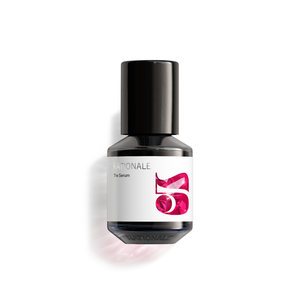
The RATIONALE formulation that best represents this is #1 The Strengthening Serum — a Vitamin B Complex powered by niacinamide, ATP, peptides, ceramides and amino acids. It is the formulation we recommend as the foundational morning layer of a considered ritual, because it readies the skin for everything that follows, and quietly improves the performance of those layers along the way.


Niacinamide and Vitamin C
Can you use Niacinamide and Vitamin C together? Yes, and the more useful question is what they do for each other. Niacinamide and Vitamin C are barrier-friendly partners. They share a comfort profile that allows them to sit together without irritating the skin, and each one supports what the other is trying to achieve. Vitamin C is the daytime antioxidant that defends against free-radical damage; niacinamide reinforces the barrier those antioxidants protect, and softens pigmentation through a complementary, non-overlapping pathway. Used together, the two molecules deliver more even tone and more visible luminosity than either delivers alone.
A 2014 review in Skin Pharmacology and Physiology by Wohlrab and Kreft confirms niacinamide's stability across the pH ranges relevant to modern topical formulations. Translation: there is no compatibility concern in a well-formulated ritual.
Application Sequence
Apply niacinamide first on refreshed skin. It sits creates a smooth, hydrated surface for the Vitamin C that follows. Allow thirty to sixty seconds for the layer to settle, then apply your Vitamin C formulation. For very sensitive or rosacea-prone skin, the niacinamide-first sequence is especially helpful to cushion the skin's response to the Vitamin C step.
In the morning, #2 The Brightening Light Crème delivers an Antioxidant Complex powered by multiple stabilised forms of Vitamin C alongside Anti-Glycation actives, peptides, Vitamin E and betaine. In a 28-day clinical trial, 95 percent of participants reported visibly more luminous, even-toned skin. Layered after #1 The Strengthening Serum, both molecules sit on the skin together and support each other's outcomes.
Niacinamide and Vitamin A (Retinol and Retinal)
Niacinamide and Vitamin A are one of the most rewarding partnerships in skincare – and in the RATIONALE framework, they don't compete for the same step. Niacinamide does its work in the morning, when the skin is preparing for the day. Vitamin A does its work overnight, when the skin is in its renewal phase. Separating the two across the day-and-night ritual gives each molecule a clear lane and removes any chance of layering irritation.
That separation also lets niacinamide do something quietly important. By supporting the skin's natural production of ceramides during the day (Tanno et al., British Journal of Dermatology, 2000), niacinamide reinforces the barrier that Vitamin A gently destabilises overnight as cellular renewal accelerates. The two molecules work in shifts on the same goal – a stronger, more even, more resilient skin, without ever sitting on top of each other.
Which goes first, retinol or niacinamide? Place niacinamide in the morning and Vitamin A in the evening. If you would like niacinamide in your evening ritual as well, #1 The Strengthening Crème carries the same niacinamide-led B-Group Complex into the night, and pairs comfortably with a Vitamin A formulation applied beforehand.
#6 The Rejuvenating Night Crème is RATIONALE's evening Vitamin A formulation — a stabilised Vitamin A Complex (retinol and retinal) paired with peptides, antioxidants and DNA Repair Enzymes. RATIONALE Research Paper 02, our published research on Vitamin A and DNA Repair Enzyme synergy, underpins the formulation logic. In a 28-day clinical trial, 100 percent of participants reported visibly smoother, more refined skin texture. For clients who prefer a gentler retinoid pathway, #6 The Rejuvenating GelCrème is the Bakuchiol-led alternative: a plant-derived ingredient that activates similar receptor pathways as retinol with very little of the irritation potential.


Niacinamide and Hyaluronic Acid
In the beauty world, the dominant talking point of this pairing positions it as a beginner's combination, i.e. hydration plus oil control. The perhaps more interesting application is for mature skin, where the two actives do something that’s not so frequently talked about.
Hyaluronic Acid is a humectant capable of binding many times its weight in water. Topically, it draws moisture into the upper skin layers and produces an immediate plumping effect, softening the appearance of expression lines. The plumping is real, but short-lived without something to hold the hydration in place. That is where niacinamide enters the picture. By supporting the skin's natural ceramide production (Tanno et al., 2000) and reinforcing the barrier's lipid scaffold, niacinamide turns the immediate hydration of hyaluronic acid into something more sustainable.
Can you use Hyaluronic Acid and Niacinamide together? Yes — and the pairing is particularly useful for mature skin. Apply hyaluronic acid to slightly damp skin first to draw moisture into the surface layers, then layer niacinamide to seal that hydration into a strengthened barrier. They sit comfortably in the same step with no compatibility concerns and no risk of irritation.
While hyaluronic acid features in many RATIONALE formulations, for those seeking a dedicated HA step, look to The Radiance Booster Serum — a lightweight, water-phase formulation built around multiple molecular weights of Hyaluronic Acid for layered hydration. Applied to damp skin and followed by #1 The Strengthening Serum, it forms the front half of the most useful hydration pairing we recommend for mature skin: humectant first, barrier reinforcement second.
Niacinamide and Hydroxy Acids (AHAs and BHAs)
Hydroxy Acids are niacinamide's most underexplored pairing — and the one where niacinamide arguably contributes the most. AHAs (Lactic Acid and Glycolic Acid) are water-soluble and work at the surface, helping the skin refine by loosening the bonds between dead surface cells. BHAs (Salicylic Acid) are oil-soluble and work deeper into the pore.
Can you use Niacinamide with AHAs or BHAs? Yes. In the RATIONALE framework, hydroxy acids belong to the evening ritual alongside Vitamin A, while niacinamide leads the morning. That separation keeps the two actives in their best-performing windows and avoids any chance of cumulative sensitivity. Niacinamide's daytime barrier reinforcement also means the skin recovers more comfortably between evenings where refinement is the focus as the response that often follows a hydroxy acid step is softened by the consistent barrier support niacinamide provides during the day.
#5 The Refining Serum is RATIONALE's bestselling AHA/BHA formulation — a proprietary Hydroxy Acid Complex calibrated for visible refinement of texture and tone. In a 28-day clinical trial, 96 percent of participants reported smoother, more refined skin. Used in the evening ritual and supported by niacinamide in the morning, it delivers refinement without compromising barrier integrity.
How to Build a Layered Ritual
A considered ritual is not five actives stacked on top of each other. It is five actives placed thoughtfully across the day, each one doing its best work in the window the skin's biology has set aside for it. The RATIONALE framework places the day's actives in three layers and the evening's actives in three more — six steps in total, each chosen to compound the work of the others.
The Daytime Ritual
1. Niacinamide. The morning's foundational layer. Niacinamide on refreshed skin reinforces barrier function, visibly softens pigmentation, and prepares the skin for everything that follows. Allow thirty to sixty seconds for absorption.
2. Vitamin C. Layered second. The morning's antioxidant defence, working to protect against free-radical damage from solar and environmental exposure, and supporting visibly more even tone and luminosity over time.
3. SPF. Non-negotiable. A broad-spectrum SPF 50+ to defend the work of every other active in the ritual.
The Night-time Ritual
1. Ceramides. The evening's foundational layer. Ceramides reinforce the lipid barrier as the skin moves into its overnight repair phase, creating the conditions in which Vitamin A can do its work without sensitivity.
2. Hydroxy Acids. Used on the evenings where surface refinement is the priority. AHAs to recalibrate texture and tone; BHAs to support pore-deep clarity. This may not be essential nightly – for many, typically three evenings per week, calibrated to your skin needs.
3. Vitamin A. The evening's renewal layer. Retinol and Retinal accelerate skin turnover overnight, supported by the ceramide-reinforced barrier underneath and the niacinamide layer applied that morning. Hyaluronic Acid sits alongside this framework rather than exclusively within it — added wherever immediate hydration is wanted, on damp skin, in either the morning or the evening.
What should you not mix with Niacinamide? Almost nothing. Niacinamide pairs safely and productively with Vitamin C, Vitamin A, hyaluronic acid, AHAs and BHAs. The compatibility is not the constraint; the sequencing is — and the day-and-night framework above resolves the sequencing question entirely.
Frequently Asked Questions
Yes. Apply niacinamide first on cleansed skin, allow thirty to sixty seconds for absorption, then layer Vitamin C. The two actives sit comfortably together without irritation and support each other's results — Vitamin C providing antioxidant defence, niacinamide reinforcing the barrier and softening pigmentation through a complementary pathway.
Niacinamide is the most compatible active in skincare and pairs safely with Vitamin C, Vitamin A, hyaluronic acid, and hydroxy acids. There are no meaningful incompatibilities to worry about in a well-formulated ritual; the variable that matters is sequencing, not combination.
Niacinamide first. Applied to cleansed skin, niacinamide creates a smooth, near-neutral cushion that prepares the skin for the Vitamin C step that follows. Allow thirty to sixty seconds, then layer your Vitamin C formulation.
No. The two molecules are stable, compatible and supportive of each other in modern aqueous formulations. A 2014 review in Skin Pharmacology and Physiology (Wohlrab and Kreft) confirms niacinamide's stability across the pH ranges relevant to topical skincare.
Visible improvement in barrier comfort and skin smoothness typically appears within two to four weeks. More pronounced improvement in fine lines, pigmentation and skin tone appears across an eight to twelve-week window — the timeline measured in the Bissett 2005 trial.
Yes, and the pairing is particularly useful for mature skin. Apply hyaluronic acid to slightly damp skin first to draw moisture into the surface layers, then layer niacinamide to seal that hydration into a strengthened barrier. The hyaluronic acid provides immediate plumping; the niacinamide provides the longer-term support that holds the hydration in place.
Written by Eleni Papadopoulos
Eleni is a skincare writer with a background in the beauty and skincare industry, having spent several years working alongside dermal therapists and formulation teams. Her experience has shaped a practical understanding of skin behaviour, ingredients, and treatment pathways. Eleni focuses on translating complex skincare concepts into clear, considered guidance, with an emphasis on efficacy, routine building, and long-term skin health.
References
1. Bissett DL, Oblong JE, Berge CA. Niacinamide: A B vitamin that improves aging facial skin appearance. Dermatologic Surgery. 2005;31(7 Pt 2):860–865.
2. Tanno O, Ota Y, Kitamura N, Katsube T, Inoue S. Nicotinamide increases biosynthesis of ceramides as well as other stratum corneum lipids to improve the epidermal permeability barrier. British Journal of Dermatology. 2000;143(3):524–531.
3. Wohlrab J, Kreft D. Niacinamide — mechanisms of action and its topical use in dermatology. Skin Pharmacology and Physiology. 2014;27(6):311–315.
4. RATIONALE Research Paper 02 — Vitamin A and DNA Repair Enzymes. Available at https://rationale.com/pages/rationale-research