




Cleansing sits at the heart of every effective skincare ritual, yet it remains one of the most underestimated steps. When approached correctly, cleansing becomes more than simple removal; it becomes a restorative ritual that enhances luminosity and preserves the harmony of the skin’s barrier.
In this journal, we explore the science behind customised cleansing—helping you understand which cleansers are best for your face based on skin physiology, environment, and tolerance.


The Liquid Crystal Array explained
The skin’s luminosity depends on the alignment of its Liquid Crystal Array—a structured arrangement of lipids and proteins that allows light to reflect evenly across the skin’s surface. When this structure is intact, skin appears smooth, fresh, and radiant. When it becomes disrupted, light scatters unevenly, causing dullness. Proper cleansing is essential to maintain this balance, as impurities, residue, and environmental stress can disrupt the skin’s surface within hours.


How light reflects across the skin
Even minor changes in hydration, oil production, or barrier integrity can alter how light interacts with the skin. Too much dryness leads to roughness, reducing reflectivity. Excess oil creates irregular shine. The right cleansing ritual ensures this delicate equilibrium remains intact. By managing the skin’s hydration-lipid ratio during cleansing, we can help maintain the ideal surface tension that enables light to bounce cleanly off the complexion.


Why cleansing determines skin radiance
Cleansers remove debris, sunscreen, makeup, and pollution—elements that interfere with luminosity. A customised cleansing ritual ensures this removal happens without compromising the skin’s natural balance. When impurities linger, they oxidise on the skin’s surface, contributing to inflammation and lack-lustre complexion.
How improper cleansing impacts shine and dullness
Harsh cleansers—especially those containing strong foaming agents or astringents—can create micro-disruptions in the skin, triggering inflammation and dehydration that dull its natural radiance. Over-cleansing has a similar effect, stripping away the essential oils that support moisturisation, barrier strength, and a healthy glow. On the other hand, inadequate cleansing allows build-up to accumulate, leading to congestion and uneven texture. To preserve the skin’s inherent luminosity, opt for creamy, nourishing formulations that work in harmony with the skin’s natural cleansing and desquamation processes while reinforcing barrier integrity.
The self-cleansing ecosystem of skin
The skin produces antimicrobial peptides to protect against infection and undergoes natural exfoliation to shed dead cells. These innate processes support clarity, but they cannot manage modern skincare products alone. Today’s formulations—particularly long-wear makeup, mineral-rich sunscreens, and urban pollution particulates—create layers that exceed the skin’s natural capacity for self-regulation. Cleansing now plays a critical, supportive role in preserving clarity and enabling these natural systems to function efficiently.
The impact of non-physiological lipids
Sunscreens and long-wear makeup contain non-physiological lipids—ingredients that do not naturally integrate into the skin’s biological matrix. If not removed, these lipids accumulate on the skin, interrupting the Liquid Crystal Array, causing dullness, congestion, and imbalance. This is where customised cleansing becomes essential. These lipids can also interfere with the absorption of active ingredients, meaning even the most advanced skincare cannot perform optimally unless the skin is properly cleansed beforehand.
Why customised cleansing matters
No two skin types require the same cleansing method. A personalised approach considers hydration levels, lipid balance, sensitivity, and environmental exposure. Customised cleansing restores the skin’s equilibrium, preparing it to receive nightly active ingredients more effectively, enhancing every step that follows. Tailoring your cleansing ritual also helps minimise stress responses in the skin—such as redness, tightness, or rebound oiliness—ensuring the complexion remains stable, calm, and luminous over time.


Night-time cleansing vs morning rinsing
Night-time cleansing removes the day’s accumulated impurities and allows active ingredients to penetrate more effectively. As the skin enters its natural repair phase overnight, starting with a clean surface is essential. In the morning, a simple rinse with tepid water helps preserve antioxidants applied the night before, allowing them to continue working throughout the day. This minimalist approach also reduces the risk of over-cleansing, supporting optimal hydration and maintaining barrier integrity.
The ideal cleansing ritual for dry skin
Dry skin thrives when cleansers reintroduce ceramides, lipids, and moisture-binding compounds, such as hyaluronic acid. These help strengthen barrier function during cleansing rather than stripping it away. Dry skin should avoid foaming or detergent-based cleansers, which often worsen tightness or flaking.
The ideal cleansing ritual for oily skin
Oily skin benefits from cleansers that remove build-up without damaging the skin barrier. Controlled refinement, not stripping, is the goal. Foaming detergents destabilise the Liquid Crystal Array and trigger rebound oiliness, leading to further imbalance. Using refiners with supportive hydroxy acids helps regulate excess sebum, improve texture, and maintain clarity without provoking irritation or dryness.
Why double cleansing is essential
Massaging the first cleanse dissolves sunscreen, makeup, and surface debris while supporting circulation. A double cleanse infused into the skin for 2–3 minutes, allows active ingredients to be delivered more effectively before rinsing. This two-step process ensures that both the skin’s surface and deeper layers are addressed, creating a balanced, refined canvas for treatment serums.


Did you know some cleansers can double as a weekly mask?
Using a ceramide-enriched cleanser as a weekly mask can significantly enhance the skin’s clarity, hydration, and overall luminosity. When a gentle, hydrating formula is left on the skin for a little longer, its active ingredients have more time to work—softening surface buildup, refining texture, and replenishing moisture levels. This extended infusion method helps recalibrate the complexion and can be especially beneficial during periods of dullness, dryness, or seasonal change.
For an elevated ritual, leave RATIONALE’s #4 The Nourishing Cleanser on the skin once weekly as a mask. Allowing it to infuse for 10–15 minutes delivers boosted hydration, exquisite surface refinement, and improved clarity.


The role of pre-cleansing
Pre-cleansers melt into the skin, dissolving sunscreen, makeup, and excess sebum far more effectively than water-based cleansers alone. Because oil attracts oil—including the oily components of cosmetics, SPF, and even pollution particles—these formulations lift away what traditional cleansers can struggle to remove. This ensures the main cleanser can focus on refining and balancing the skin, rather than simply chasing leftover residue. This added step is especially beneficial for those who wear SPF daily or live in urban environments, where microscopic pollutants cling stubbornly to the complexion.
RATIONALE’s #4 The Nourishing PreCleanse Balm restores skin barrier function with Intercellular Lipids and Ceramides, comforting the complexion while removing all traces of makeup, SPF and impurities.


Exfoliating vs cleansing: Understanding the difference
Exfoliation supports luminosity when used 1–2 times weekly. It smooths texture and encourages uniform reflectivity. Too much exfoliation creates sensitivity, redness, and barrier damage—dulling the complexion instead of brightening it.
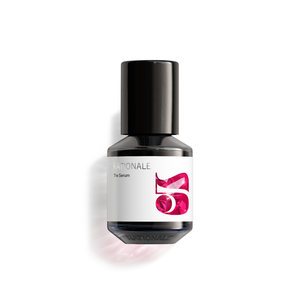
Versatile in its application, RATIONALE’s #5 The Cleanser may be used weekly for a deep purifying cleanse or daily for those with combination or oily skin. Powered by a replenishing Complex of Hydroxy Acids, it recalibrates the skin’s pH, enhances textural smoothness, and effectively lifts away impurities and surface debris.
Interested to learn more?
Personalised guidance is invaluable. The Signature Consultation can help determine the ideal formulations and techniques for your unique needs.
Frequently Asked Questions
Nightly cleansing is essential; mornings require only a gentle rinse unless otherwise advised.
Sometimes, yes. Skin often needs richer cleansers in winter and lighter ones in summer. This seasonal shift helps maintain balance as humidity, temperature, and environmental exposure fluctuate.
Absolutely. Oil-based cleansers dissolve excess sebum without stripping the barrier. They also help prevent the cycle of over-cleansing and rebound oil production.
No. Exfoliating removes dead skin cells; cleansing removes debris and impurities.
Harsh cleansers strip the skin, triggering rebound oiliness. A more supportive formula will maintain clarity without provoking excess shine.
Indirectly, yes. Healthy, hydrated skin shows fewer fine lines and improved texture. By protecting the barrier and enhancing hydration, the skin remains supple, smooth, and naturally luminous.