




Key Takeaways
Most solar-and-environment-induced dark spots respond well to a consistent ritual built around Vitamin C, Niacinamide, Retinol and Retinal, and Hydroxy Acids, used correctly and in the right order. If you already have one active in your ritual, the safest path to visibly brighter, more even skin is adding a second one at a time, not all at once. Melasma, post-inflammatory marking, and any medically diagnosed pigmentation concern should always be assessed by a dermatologist first.
Dark spots have a way of appearing out of nowhere, then staying far longer than expected. They're one of the most common changes people notice in their skin, and rightly one of the most asked about, because an even, luminous complexion still feels possible even once a mark has settled in.
The reassuring part is that dermatological science has a clear, well-studied answer for how to treat dark spots that are solar-and-environment-induced, the most common presentation, and the one skin actually responds to with daily care. Understanding why those marks appear is one part of the picture; this article addresses the other: what to actually do about it, whether you are reaching for your first active or already have a ritual in place and wondering what belongs in it next.
This is the natural next step after our earlier exploration of hyperpigmentation and its causes, which covers what dark spots are and when a dermatologist should be your first call. This one picks up from there, focused entirely on the actives that visibly brighten and even the complexion, and how to introduce them without disrupting the skin you already have.


What Actually Helps: Treating Solar-and-Environment-Induced Dark Spots
Not every dark mark responds to the same approach, which is why the distinction matters before any active is introduced. Melasma, post-inflammatory marking, and hormonally driven pigmentation are best assessed by a dermatologist, since some approaches can worsen these presentations if used incorrectly. Solar lentigines, the flat, well-defined marks that build gradually from cumulative solar and environmental exposure, are the presentation that a considered, active-led ritual can meaningfully support.
For this category, the goal of skincare is never to ‘remove’ pigmentation outright. It is to visibly brighten the complexion, reduce the appearance of uneven tone, and prevent further discolouration from accumulating: a distinction that matters both for realistic expectations and for choosing the right actives. Four ingredient families do the heaviest lifting here: Vitamin C, Niacinamide, Retinol and Retinal, and Hydroxy Acids. Each works through a different mechanism, which is exactly why understanding them individually, rather than opting for whichever serum is most talked about, makes such a difference to how to fade dark spots effectively. You can explore our full range of formulations by Skin Concern, including Hyperpigmentation, to see how each active is represented across the collections.
The Best Active Ingredients for Dark Spots, Compared
Niacinamide, a form of Vitamin B3, works differently. Clinical research has shown that niacinamide visibly improves the appearance of ageing and unevenly toned facial skin, alongside its well-documented benefits for barrier function and oil regulation (Bissett, Oblong & Berge, Dermatologic Surgery, 2005). Because it is generally well tolerated, Niacinamide is one of the gentlest ways to begin supporting a more even-looking tone, and it pairs comfortably with almost every other active in this list.
Vitamin C is an antioxidant first and a brightening agent second, though the two are closely related. By neutralising the oxidative stress that ongoing UV and visible light exposure creates in the skin, Vitamin C helps defend against the very process that perpetuates uneven tone, while its long-established brightening effect supports a more radiant-looking complexion over time (Pullar, Carr & Vissers, Nutrients, 2017). It is best used in the morning, underneath SPF, where its antioxidant role is most valuable.
Hydroxy Acids, including Lactic and Salicylic Acid, work at the skin's surface, gently recalibrating its pH and encouraging a more even release of dulling, unevenly pigmented surface cells. Reviews of hydroxy acid use describe consistent improvements in the visible evenness and clarity of skin texture and tone with regular, correctly formulated use.
Retinol and Retinal, both forms of Vitamin A, work by supporting skin cell turnover, which helps bring fresher, more evenly toned skin to the surface over time. Reviews of retinoid use in skin ageing consistently point to visible improvements in tone and texture with consistent use (Mukherjee et al., Clinical Interventions in Aging, 2006). Because they can increase sun sensitivity, this family belongs firmly in an evening ritual.
At a glance Vitamin C: antioxidant defence, visibly brightens, best in the morning Niacinamide: barrier support and tone-evening, gentle enough for daily use, morning or evening Retinol/Retinal: supports cell turnover, visible tone and texture improvement, evening only Hydroxy Acids: recalibrates pH, refines surface tone and texture, evening use


Starting Your Ritual: A First Active for Dark Spots
If you are new to active skincare, the temptation is to introduce several actives at once, hoping for faster results. The more considered approach, and the one your skin will thank you for, is to start with a single, well-tolerated active and allow your skin several weeks to adjust before adding another.
Niacinamide is the recommended starting point for most clients beginning a dark spot ritual, with #1 The Strengthening Serum representing an ideal formulation for this from RATIONALE. This is because niacinamide bolsters skin’s natural resilience by fortifying barrier function. As redness is visibly reduced, niacinamide then helps to support melanin or pigment production—helping the next introducing active, Vitamin C, to be more efficient.
Vitamin C is the natural next active for most clients looking to improve dark spots. It is broadly well tolerated, works from the very first morning application, and lays the antioxidant foundation that every other active in this ritual will eventually build upon.
#2 The Brightening Serum delivers multiple forms of Vitamin C alongside Vitamins A and E, offering lightweight hydration and visibly brightening antioxidant defence for daily use.
Already Using an Active? How to Safely Add Another
This is a question we hear often from existing clients. If you are already using one active and it is working, how do you responsibly add a second, or a third, without unsettling your skin or undoing your progress?
The answer is simple: add one active at a time, and give your skin two to four weeks to adjust before introducing the next. If you are already using Vitamin C each morning, niacinamide is usually the most comfortable next step, since it is gentle enough to sit alongside almost any existing ritual, morning or evening. #1 The Strengthening Serum delivers Vitamin B (niacinamide), helping to fortify barrier function while supporting a more even-looking tone, a comfortable addition for skin already accustomed to Vitamin C.
Once your skin has settled into that combination, Retinol and Retinal are typically the next addition, reserved for the evening. #6 The Rejuvenating Night Crème combines a proprietary Vitamin A Complex of both Retinol and Retinal with DNA Repair Enzymes. In a 28-day trial, 90% of participants reported that their skin appeared more even-toned and glowing. Introduce it two to three nights a week initially, increasing frequency as your skin adjusts.
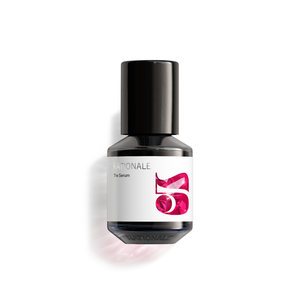
For clients seeking to refine texture alongside tone, #5 The Refining Serum offers an alternative or complementary evening step, using a proprietary Complex of Hydroxy Acids to recalibrate skin pH and visibly refine uneven texture. It can be alternated with the Retinol and Retinal step on nights your skin needs a gentler touch, rather than layered every evening.
A Simple AM/PM Ritual for Uneven Tone
Bringing these actives together, a considered ritual for uneven tone follows a simple daily rhythm: protection in the morning, renewal in the evening.
Morning. Apply #1 The Strengthening Serum, allowing it to absorb, followed by #2 The Brightening Serum. Finish with #3 The Brilliance Tinted Serum SPF50+, applied generously as the final layer. Its Zinc Fusion Technology and Iron Oxides visibly illuminate and even tone while shielding skin from UV, visible, and infrared light. No active ritual for dark spots is complete without this step, since continued solar and environmental exposure is what perpetuates uneven tone in the first place.
Evening. Cleanse, then apply either #5 The Refining Serum or #6 The Rejuvenating Night Crème, depending on where your skin is in its adjustment.
Where to Start
If you are building this ritual from nothing, begin with niacinamide, followed by Vitamin C and SPF for the first few weeks. This combination visibly supports a brighter, more protected complexion and gives you a stable base before adding anything further.
Adapting for Your Skin Type
Resilient skin can typically introduce niacinamide and Vitamin A (retinol and retinal) in closer succession. More reactive skin should extend the adjustment window between each new active to three to four weeks, and may prefer alternating Vitamin A with #5 The Refining Serum rather than using both nightly.
When Home Care Needs More: The Multi-Vitamin Brightening Facial
For clients who have built a consistent active ritual and want a more immediate, in-Flagship complement to it, The Multi-Vitamin Brightening Facial is a high-performing treatment designed to visibly brighten the complexion and target the appearance of pigmentation.
The 90-minute treatment unfolds in three phases. An Enzyme Reactivation Complex of Pyruvic, Lactic or Salicylic Hydroxy Acids gently resurfaces the skin's texture and prepares it for optimal absorption. A potent Vitamin C and antioxidant enzyme complex is then deeply infused via electroporation, a painless, non-invasive method of temporarily opening pores to enhance absorption, to help address visible pigmentation and dullness. The treatment concludes with a multi-vitamin oil infusion, enriched in Vitamins A, D and E, alongside LED Light Therapy to visibly plump and re-energise the complexion.
This is a considered complement to a home ritual, not a replacement for one. The two work best in tandem, with the facial supporting the deeper, more immediate infusion of the same actives your ritual delivers daily.
The Science Behind These Actives
The evidence base for treating solar-and-environment-induced dark spots with cosmetic actives is well established. Vitamin C's dual role as an antioxidant and brightening agent is supported by research into its effects on skin health more broadly (Pullar, Carr & Vissers, Nutrients, 2017). A 2014 review of hyperpigmentation therapies in the Journal of Clinical and Aesthetic Dermatology highlights sun protection as central to any approach addressing visible discolouration, reinforcing why SPF and antioxidant care are treated as inseparable steps rather than optional extras (Desai, 2014).
Niacinamide's role in visibly improving the appearance of ageing, unevenly toned skin is well documented in clinical research (Bissett, Oblong & Berge, Dermatologic Surgery, 2005), while reviews of retinoid use in skin ageing consistently report improvements in tone and texture with sustained use (Mukherjee et al., Clinical Interventions in Aging, 2006). Together, these four actives, Vitamin C, Niacinamide, Retinol/Retinal, and Hydroxy Acids, represent the most well-studied, evidence-backed approach available in cosmetic skincare for supporting a more even-looking complexion. You can read more about the research underpinning RATIONALE's formulations on the RATIONALE Research hub.
Frequently Asked Questions
There is no single best active. Niacinamide, Vitamin C, Retinol/Retinal, and Hydroxy Acids each work through different mechanisms and are more effective together than one used alone. For most people beginning a ritual with niacinamide, then introducing Vitamin C paired with daily SPF is the strongest, most foundational starting combination.
Yes. Vitamin C and Niacinamide are well tolerated together and can be used within the same morning ritual, with niacinamide applied first followed by Vitamin C once it has absorbed. Many clients use this exact combination as the foundation of their dark spot ritual.
Yes. Niacinamide is gentle enough to pair comfortably with retinol (and retinal), and its barrier-supporting properties can help ease the adjustment period that comes with introducing a retinoid. For specific formulation application order (e.g. #1 The Strengthening Hydragel or Crème and #6 The Rejuvenating Night Crème), we recommend connecting with our Client Services Team who can support your individual needs.
Most people notice improvements in tone over a six-month period with consistent use. It’s important to remember that we’re working on pigment that is present in all layers of the epidermis. It can be a long journey. But a daily ritual, applied every morning and evening, does more for visible evenness over time than an intensive approach used only occasionally.
In the morning, apply niacinamide first if it is part of your ritual, followed by Vitamin C, then finish with SPF as the final layer. In the evening, cleanse first, then apply your Hydroxy Acid and/or Vitamin A step once skin is dry and formulations are absorbed.
Yes. The Multi-Vitamin Brightening Facial is designed to visibly brighten the complexion and target the appearance of pigmentation, using Hydroxy Acid resurfacing, an electroporation-infused Vitamin C and antioxidant complex, and a Vitamin-rich infusion to complement a home active ritual, rather than replace one.
If your discolouration appears as symmetrical patches, developed during pregnancy or with hormonal medication, follows a sudden or widespread pattern, or is accompanied by any other change in your skin, a dermatologist is the right first step. For gradual, sun-related marks, a considered active ritual is often sufficient. See our guide to hyperpigmentation causes for the full diagnostic picture.
A Measured Approach to a Brighter Complexion
Treating dark spots is rarely about finding one transformative ingredient. It is about understanding what each active does, introducing them at a pace your skin can absorb, and staying consistent once your ritual is in place. Whether you are reaching for your first Vitamin C serum or considering where a Retinol step fits into an established ritual, the path forward is the same: educated, gradual, and built for your skin specifically.
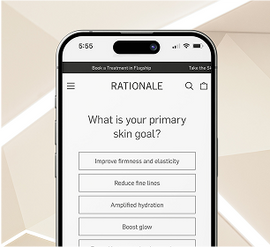
If you are ready to begin, explore #2 The Brightening Serum for more, or take the Skin Questionnaire to discover a fully personalised ritual sequence from one of our Client Service Advisors.
References
- Pullar JM, Carr AC, Vissers MCM. "The Roles of Vitamin C in Skin Health." Nutrients. 2017;9(8):866.
- Desai SR. "Hyperpigmentation Therapy: A Review." Journal of Clinical and Aesthetic Dermatology. 2014;7(8):13-17.
- Bissett DL, Oblong JE, Berge CA. "Niacinamide: A B vitamin that improves aging facial skin appearance." Dermatologic Surgery. 2005;31(7 Pt 2):860-865.
- Mukherjee S, Date A, Patravale V, et al. "Retinoids in the treatment of skin aging: an overview of clinical efficacy and safety." Clinical Interventions in Aging. 2006;1(4):327-348.