



Key Takeaways
Dry skin is a skin type shaped by insufficient lipid production, which prevents the barrier from retaining moisture effectively. Dehydrated skin is a temporary condition caused by a lack of water content, and it can affect any skin type, including oily. Because dry skin and dehydrated skin have different root causes, they require different actives applied in a specific sequence — and many people experience both simultaneously without realising it.
Dry skin and dehydrated skin look similar at the surface. They feel similar. They are routinely confused and almost universally treated as the same thing. But they have different causes, operate through different mechanisms, and require fundamentally different responses. Applying a lipid-rich crème to dehydrated skin is not wrong, but it is incomplete. Applying humectants alone to structurally dry skin will not repair the barrier. The distinction changes what you reach for and in what order.
This article explains the biology behind both conditions, how to identify which is present, and the actives and layering approach that actually correct them. Whether your skin is dry, dehydrated, or both, clarity begins here.
The Fundamental Difference: Skin Type vs Skin Condition
Dry skin and dehydrated skin sit in entirely different categories. One is a skin type; the other is a skin condition. This is the distinction on which every subsequent decision rests.
Dry skin is determined by the skin's natural lipid production. The outermost layer of the skin, the stratum corneum, depends on a precise balance of fatty acids, cholesterol, and ceramides to maintain its barrier function. When this lipid balance is insufficient, the barrier cannot effectively prevent water from escaping through the skin surface. This is measured clinically as Trans-Epidermal Water Loss, or TEWL. Research published in Experimental Dermatology (Proksch et al., 2008) established that the integrity of the skin’s lipid matrix is the primary determinant of barrier function and water retention. When that matrix is compromised, the result is skin that feels perpetually tight, rough to the touch, and prone to flaking. Dry skin is a structural issue. It can be significantly improved with the right formulations, but it does not change to a different skin type.
Dehydrated skin reflects the water content of the skin rather than its oil content. When the skin lacks sufficient water in its outer layers, it loses plumpness, develops fine surface lines that appear from nowhere, and takes on a flat or dull quality that no amount of sleep seems to resolve. Unlike dry skin, dehydration is temporary and reversible. It can affect any skin type at any time, fluctuating with seasonal conditions, air travel, diet, and the formulations in use.
The Key Distinction at a Glance
The table below maps the core differences between the two conditions:
| Condition | Dry Skin | Dehydrated Skin |
| Type | Skin type (structural) | Skin condition (temporary) |
| Root cause | Insufficient lipid production; ceramide-deficient barrier | Insufficient water content in the stratum corneum |
| Who gets it | Those with genetically low sebum production | Any skin type, including oily |
| Key signs | Flaking, persistent tightness, rough texture | Dullness, fine surface lines, slow return on the pinch test |
| Primary mechanism | Elevated TEWL | Disrupted water-binding capacity in the outer skin layers |
| Responds best to | Emollients and occlusives: Ceramides, Squalane, lipid-rich crèmes | Humectants: Hyaluronic Acid, Sodium Hyaluronate, Glycerin |
| Treatment timeline | 4 to 8 weeks of consistent barrier support | 24 to 72 hours with appropriate humectant application |
Most people who experience significant skin discomfort have both conditions present at once. The barrier may be structurally lipid-deficient while environmental stress or active overload has also depleted the skin's water stores. Treating one without addressing the other explains why so many well-intentioned rituals fail to fully deliver. Understanding this distinction is the foundation of a ritual that truly works, and it is at the core of RATIONALE's approach to personalised skin science.


How to Tell if Your Skin Is Dry or Dehydrated
The signs of each condition overlap enough to cause genuine confusion, but specific indicators help distinguish them reliably.
Signs of dry skin
Dry skin presents with flaking or peeling, particularly around the nose, jaw, and cheeks. The texture feels rough even immediately after applying a rich formulation. Cold or low-humidity environments worsen the tightness noticeably. Dry skin rarely produces visible shine, and it typically feels uncomfortable shortly after cleansing regardless of how gentle the cleanser is. Increasing water intake does not resolve it, because the problem is in the skin's lipid structure, not its hydration levels.
Signs of dehydrated skin
Dehydrated skin looks dull more than it flakes. Fine surface lines appear prominently in certain lighting, particularly under the eyes and across the cheeks, and may seem to appear almost overnight after a flight or a night in an air-conditioned room. Where dry skin flakes, dehydrated skin often feels tight when you smile or open your mouth wide, and it can appear flat and lifeless despite a careful ritual.
The pinch test for dehydrated skin
One of the most reliable self-assessment tools is the pinch test. Gently pinch a small amount of skin on your cheek, hold for two seconds, then release.
1. If it springs back immediately: Your skin's hydration levels are adequate.
2. If it springs back slowly: Your skin is showing early signs of dehydration.
3. If it holds a tent shape briefly before settling flat: Your skin is significantly dehydrated.
Well-hydrated skin contains enough water to maintain its elasticity and snap back into place. Dehydrated skin lacks that internal resilience. This test tells you about water content specifically. For lipid-related dry skin, the stronger indicator is persistent roughness and flaking that does not improve regardless of how much water you drink or how consistently you moisturise. If you are uncertain which condition you are dealing with, the RATIONALE Expert Guide is designed to help identify the right starting point for your skin.
What Causes Dry Skin and Dehydrated Skin
Knowing what drives each condition helps address it at the source, rather than managing symptoms indefinitely.
What causes dry skin
Dry skin is primarily genetic. The barrier's lipid matrix is regulated by the same biological processes that determine skin type, and when ceramide production is naturally low, the barrier cannot seal effectively. This tendency worsens with age as lipid production declines. Certain external factors accelerate it further: harsh cleansers that strip the skin surface, excessive use of actives that thin the barrier, and cold weather that reduces the skin's own lipid synthesis. Research published in Dermatologic Therapy (Rawlings and Harding, 2004) confirmed that maintaining the skin's Natural Moisturising Factors and lipid matrix is fundamental to managing chronic dryness. RATIONALE's Dryness line-up brings together the formulations most relevant to this skin concern.
What causes dehydrated skin
Dehydration is more responsive to environment than dry skin.
Air conditioning and central heating both significantly reduce indoor humidity, drawing moisture away from the skin surface and accelerating TEWL over time.
Air travel exposes skin to extremely low cabin humidity, making even a short-haul flight a meaningful dehydration trigger.
Australian climate conditions create specific challenges. In summer, high UV intensity accelerates TEWL at the surface. In winter, cold dry air combined with heated interiors creates low-humidity environments that strip moisture continuously. Neither season is neutral for skin hydration.
Over-cleansing and active overload are among the most common causes of dehydrated skin in people with careful, active skincare rituals. Using too many acids or refining actives too frequently compromises the barrier and causes it to lose water at an elevated rate. This is often the reason skin that was once well-managed suddenly becomes unpredictable. The Dehydration edit at RATIONALE is designed specifically to restore balance in these situations, prioritising barrier support and hydration replenishment above all else.


Repair by Night: The Science Behind the Evening Collections
The three evening collections address the three repair functions skin performs overnight. The first is barrier integrity: replenishing the ceramides and lipids that were depleted during the day. The second is pH recalibration: maintaining the skin's acid mantle using Hydroxy Acids or peptides, which gently clear dead cells and encourage a smoother surface. The third is cellular renewal: applying Vitamin A to accelerate cell turnover and support collagen production while DNA Repair Enzymes address the environmental damage that accumulated through the day.
The Right Actives for Dry Skin and Dehydrated Skin
Once you understand which condition you are addressing, the appropriate actives become clear. Each works through a different mechanism and at a different level of the skin.
Humectants: for dehydrated skin
Humectants attract water molecules and hold them in the outer layers of the skin. The most effective are Hyaluronic Acid, Sodium Hyaluronate, and Glycerin. Applied to damp skin, they draw water into the stratum corneum and improve plumpness and suppleness relatively quickly. Research published in the Journal of Drugs in Dermatology (Pavicic et al., 2011) confirmed that Hyaluronic Acid improves skin hydration and reduces the appearance of fine lines through its water-binding properties, with measurable improvement within 24 to 48 hours of application.
One nuance is worth knowing: in very low humidity environments, such as heated rooms, Hyaluronic Acid applied without a sealing layer can draw water from the deeper skin layers rather than from the atmosphere. Applied alone, it may worsen surface water loss rather than prevent it. A humectant should always be followed by a richer formulation to close the skin surface and keep water where it belongs. RATIONALE's Hyaluronic Acid formulations deliver this ingredient in a considered, layered context.
Emollients and occlusives: for dry skin
Where humectants add water, emollients and occlusives address the structural issue in dry skin. Emollients such as squalane and fatty acids fill the microscopic gaps in the lipid layer, softening the skin surface and improving texture. Occlusives, most significantly ceramides, go further: they actively rebuild the barrier and prevent water from evaporating at the surface.
Research published in Allergy (Jungersted et al., 2010) found that a deficiency in stratum corneum ceramides is directly associated with elevated TEWL and compromised barrier function. Supplementing with ceramides through topical formulations measurably supports barrier repair. For dry skin, a formulation that delivers lipid replenishment consistently is not optional. Surface moisturisers that provide temporary comfort without rebuilding the barrier address the symptom without resolving the cause.
The bridge from science to practice is #4 The Nourishing Crème, from the Nourishing Collection. Formulated with ceramides and peptides, it supplies the stratum corneum with the lipids needed to rebuild its barrier, while its occlusive base seals the surface to reduce ongoing TEWL. In a 56-day trial, 95% of participants reported improved hydration and nourishment, and 90% experienced increased firmness.
Niacinamide: a barrier-strengthening active for both conditions
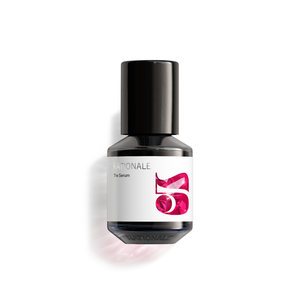
Niacinamide (Vitamin B3) takes a different approach to barrier support. Rather than supplying lipids directly, it increases the skin's own production of ceramides and other structural lipids. Research published in the British Journal of Dermatology (Tanno et al., 2000) demonstrated that niacinamide supplementation increases ceramide biosynthesis, improving the skin's ability to retain water and resist TEWL. This makes it relevant for both conditions: in dry skin, it supports the barrier structurally; in dehydrated skin, it reduces the rate at which water escapes from the surface. #1 The Strengthening Serum, powered by niacinamide, is formulated to fortify barrier function and can be a meaningful addition to any ritual managing dryness or dehydration.
Treating Both: The Correct Sequence
The most common presentation is not dry skin or dehydrated skin in isolation. It is both conditions simultaneously. Understanding the correct treatment sequence is what makes the ritual genuinely effective. The instinct is often to apply the richest formulation available, reasoning that more barrier support is always better. But applying an occlusive crème directly to a dehydrated surface seals in the problem rather than resolving it. The barrier may be reinforced, but the water deficit beneath it remains. Skin feels better briefly and then reverts. This cycle explains why many clients experience temporary improvement followed by persistent discomfort, despite using formulations that are genuinely well-suited to their skin type.
The correct sequence works in three stages.
Step One: Restore hydration first. Apply a humectant serum or gel to damp skin immediately after refreshing skin the morning or cleansing at night. The dampness matters. When the skin surface still holds a little moisture from rinsing, the humectant has an immediate water source to work with. This step addresses dehydration directly and should be completed before any emollient or occlusive is applied.
Step Two: Soften and smooth. Apply a lightweight emollient layer, such as a Light Crème, Hydragel or GelCrème over the humectant before it fully dries. This softens the skin surface, fills the lipid gaps in the outer barrier, and prepares it to receive the richer formulation that follows.
Step Three: Seal with ceramides. Apply a ceramide-rich crème, such as #4 The Nourishing Crème as the final layer. At this point in the sequence, it seals in the hydration introduced in Step One and reinforces the barrier with the structural lipids needed for lasting repair. Applied in this order, it achieves both objectives. Applied without Step One, it achieves only one.
The foundation of this approach is cleansing that does not set the ritual back before it begins. #4 The Nourishing Cleanser contains a Ceramide Complex that supports barrier function during the cleanse itself rather than stripping the skin surface. In a 28-day trial, 73% of participants experienced enhanced hydration after use, demonstrating that cleansing can be a restorative step rather than a neutral one. Closing with #4 The Nourishing Crème as the seal completes the sequence.
For clients managing both dry and dehydrated skin, the Nourishing Collection is designed around this layered approach, treating the two conditions as the connected problem they are.
Discover the Ritual Your Skin Needs
Understanding whether your skin is dry, dehydrated, or both is the point at which an effective ritual truly begins. The formulations that change how skin looks and feels are not always the richest or the most complex. They are the ones matched precisely to the condition present, applied in the right order, with consistency over time.
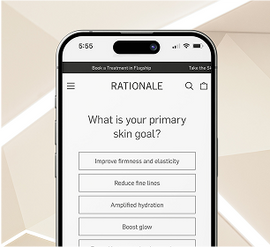
If you are not certain where to start, the RATIONALE Skin Questionnaire offers a considered path to identifying the formulations best suited to your skin. For those ready to begin, #4 The Nourishing Cleanser is a meaningful first step for any skin managing dryness or dehydration: it cleanses without compromising the barrier, and its Ceramide Complex begins repair from the very first application. From there, the Nourishing Collection provides the complete layered approach for addressing both conditions together.
Frequently Asked Questions
The core difference is biological purpose. In the morning, skin needs protection: the barrier must be reinforced, antioxidants must be active at the surface, and solar protection must be in place before UV and environmental exposure begins. At night, skin shifts into repair: ceramides and lipids are replenished, cell turnover accelerates, and targeted actives like Vitamin A work with the skin's own renewal cycle. Using the same formulations morning and night misses the opportunity to support both phases. A ritual aligned with what skin is already doing at each point in the 24-hour cycle is simply more effective.
The pinch test is the most reliable self-check for dehydration: gently pinch the skin on your cheek, hold for two seconds, and release. If the skin springs back slowly or briefly holds a tent shape, dehydration is present. Dry skin is better identified by persistent roughness and flaking that does not improve with additional water intake. If your skin looks dull and develops fine surface lines but does not flake, dehydration is likely the primary condition.
Yes. Oily skin and dehydrated skin are not mutually exclusive. When oily skin is stripped through harsh cleansing or over-use of refining actives, the compromised barrier loses water at an elevated rate. The skin responds by producing more sebum as a protective measure, creating a surface that appears oily but feels tight. Lightweight humectant formulations are often the missing element in rituals for dehydrated oily skin.
Humectants are the most effective active category for dehydrated skin. Hyaluronic Acid, Sodium Hyaluronate, and Glycerin each attract water and hold it in the outer layers of the skin. They should always be applied to damp skin and followed by a richer formulation to prevent the humectant from drawing water from the deeper skin layers rather than the atmosphere. Niacinamide supports the skin's own production of Ceramides, providing an additional pathway to reducing TEWL.
Dehydrated skin responds relatively quickly to the right humectant formulations. Meaningful improvement is often felt within 24 to 72 hours of consistent application. Structural dryness, by contrast, requires sustained use of barrier-repairing emollients and Ceramide-rich formulations over four to eight weeks before a significant change in texture and comfort is felt. Both conditions require the ritual to be maintained: the improvement is ongoing rather than a one-time correction.
For most people managing dehydrated skin or both conditions simultaneously, the answer is both, applied in sequence. A humectant serum applied first to damp skin addresses the water deficit directly. A moisturiser applied over the top seals the surface, prevents TEWL, and delivers emollient and barrier-repairing ingredients where they are needed. Using a moisturiser without a hydrating layer underneath gives the skin a surface coating but does not replenish what has been lost. RATIONALE recommends a personalised approach to layering based on your individual Skin Goals and skin type.
Written by Eleni Papadopoulos
Eleni is a skincare writer with a background in the beauty and skincare industry, having spent several years working alongside dermal therapists and formulation teams. Her experience has shaped a practical understanding of skin behaviour, ingredients, and treatment pathways. Eleni focuses on translating complex skincare concepts into clear, considered guidance, with an emphasis on efficacy, routine building, and long-term skin health.
References
1. Proksch E, Brandner JM, Jensen JM. "The skin: an indispensable barrier." Exp Dermatol. 2008;17(12):1063–72.
2. Rawlings AV, Harding CR. "Moisturization and skin barrier function." Dermatol Ther. 2004;17(Suppl 1):43–8.
3. Pavicic T, et al. "Efficacy of cream-based novel formulations of hyaluronic acid of different molecular weights in anti-wrinkle and moisturising treatment." J Drugs Dermatol. 2011;10(9):990–1000.
4. Jungersted JM, et al. "Stratum corneum lipids, skin barrier function and filaggrin mutations in patients with atopic eczema." Allergy. 2010;65(7):911–18.
5. Tanno O, et al. "Niacinamide increases biosynthesis of ceramides as well as other stratum corneum lipids to improve the epidermal permeability barrier." Br J Dermatol. 2000;143(3):524–31.